
Picture a city where the rooftops bloom. Towers draped in climbing vines, solar panels tilted like sunflowers toward a generous sky, community gardens cascading down terraced facades. Children cycle past murals of hummingbirds and watersheds. The air smells of bread and jasmine, not diesel. This is solarpunk. Born in the early 2010s from online forums from the gnawing dissatisfaction with dystopia, solarpunk is an aesthetic movement and a political philosophy. Where cyberpunk says the future is neon-soaked and brutal and dieselpunk romanticizes the machine age’s worst habits, solarpunk asks a deceptively radical question: what if we actually solved it? What if we built a world in balance with the living systems that sustain us, and made that world genuinely beautiful? Solarpunk believes that sustainability and social justice are inseparable.
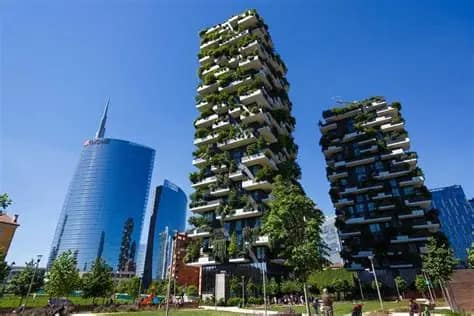
A defining feature of solarpunk is its emphasis on renewable energy, particularly solar power. Solarpunk envisions cities that are designed to harness sunlight through rooftop panels, solar windows, and integrated energy systems. However, renewable energy is only one part of a broader ecological framework. Solarpunk societies often incorporate urban agriculture, vertical gardens, and rewilded spaces that blur the line between cities and nature. Buildings are covered in greenery, public spaces are filled with community gardens, and transportation systems prioritize walking, cycling, and clean public transit. An example of a flourishing society built with Solarpunk ideas that is represented in media is the city of Wakanda in Marvel Studios’ Black Panther. Wakanda is an incredible example of a peaceful, futuristic city where nature and technology exist in a cohesive relationship. Wakanda’s Golden City is located in the heart of sweeping valleys and towering mountains. Unlike modern cities, this city is built with nature rather than against it. This ideology is what makes cities like Wakanda so incredibly resourceful and evolutionarily more advanced than our stale, rudimentary skyscrapers. Solarpunk introduces ideas of implementing the natural world into any available space. All around the world are already taking this in strides. In Milan, Italy, there resides one of the most famous vertical garden projects, known as the Bosco Verticale or “Vertical Forest.” This residential tower is packed full of around 90 plant species, including tall shrubs and trees. This project was implemented to increase biodiversity and reduce urban sprawl while also introducing a new way to look at building with nature in mind. Another architectural advancement with solarpunk ideas in mind is the iconic Supertree Grove within the Garden by the Bay in Singapore. This attraction features 18 towering Supertrees that are all designed to house an array of diverse flora. These Supertrees are home to over

162,900 different plants from over 200 different plant species. These amazing architectural wonders also come alive during the night with a shattering array of lights and sound shows. This Grove is a symbol of Singapore’s commitment to the growing concept of a “green city” that fosters sustainable design and ecological innovations.
For decades, the media has romanticized dystopian fatigue. In TV shows and films like Cyberpunk and Blade Runner, themes of doom and the constant fight for survival have been explored in countless ways. Solarpunk envisions a new future. A future that we can look forward to, rather than fear. As the continued awareness of our changing climate and our environmental footprint begins to grow within our new generations, these ideals become solutions rather than warnings. This becomes a mental and creative framework for imagining survival and thriving in our new world. These green world ideas are reflected in real-world trends. All over the world, new ideas spring to life to introduce a friendly future. Agrivoltaics is a farming and solar solution that implements solar panels over crops to produce both food and energy for communities. This technology reduces water loss and heat stress on our agriculture, while also maximizing land use. Another technological example of solarpunk technology that is being implemented in society is Rain Harvesting Systems. These structures are mounted onto homes or businesses and collect rainwater during storms to recycle it into resources that benefit a whole community. These structures come in many different examples; some are even so advanced that they can collect water from the air and transform it into usable water.

Solarpunk is more than just a framework to create environmentally sensitive structures and technology; it is also a way of life. Community-based living and the understanding that together, we are fostering a collective resilience against consumption and greed is a huge part of this philosophy. Solarpunk reshapes how we think and treat others. Rather than being at one another’s throats for rations and resources, we would live in a world of sharing and collective survival where we lift one another up rather than challenge someone’s right to exist. In a world that is torn by greed, pride, and fear, having a beautiful future that is bathed in sunlight rather than radiation is powerful. It gives us hope to better ourselves and the community. If we believe we can reach this level of peace and connection, wouldn’t we want to fight harder to save our planet? Instead of having our children know nothing but war and destruction, why not give them a utopia? Because hope, kindness, and restoration will always be stronger than ruin and hate. Nature will always recover. After fires, volcanoes, and bloody battles, blooms will still grow from the bones’ destruction. Why not build a world that can do the same?
Edited and Reviewed by Rylee Lyons
