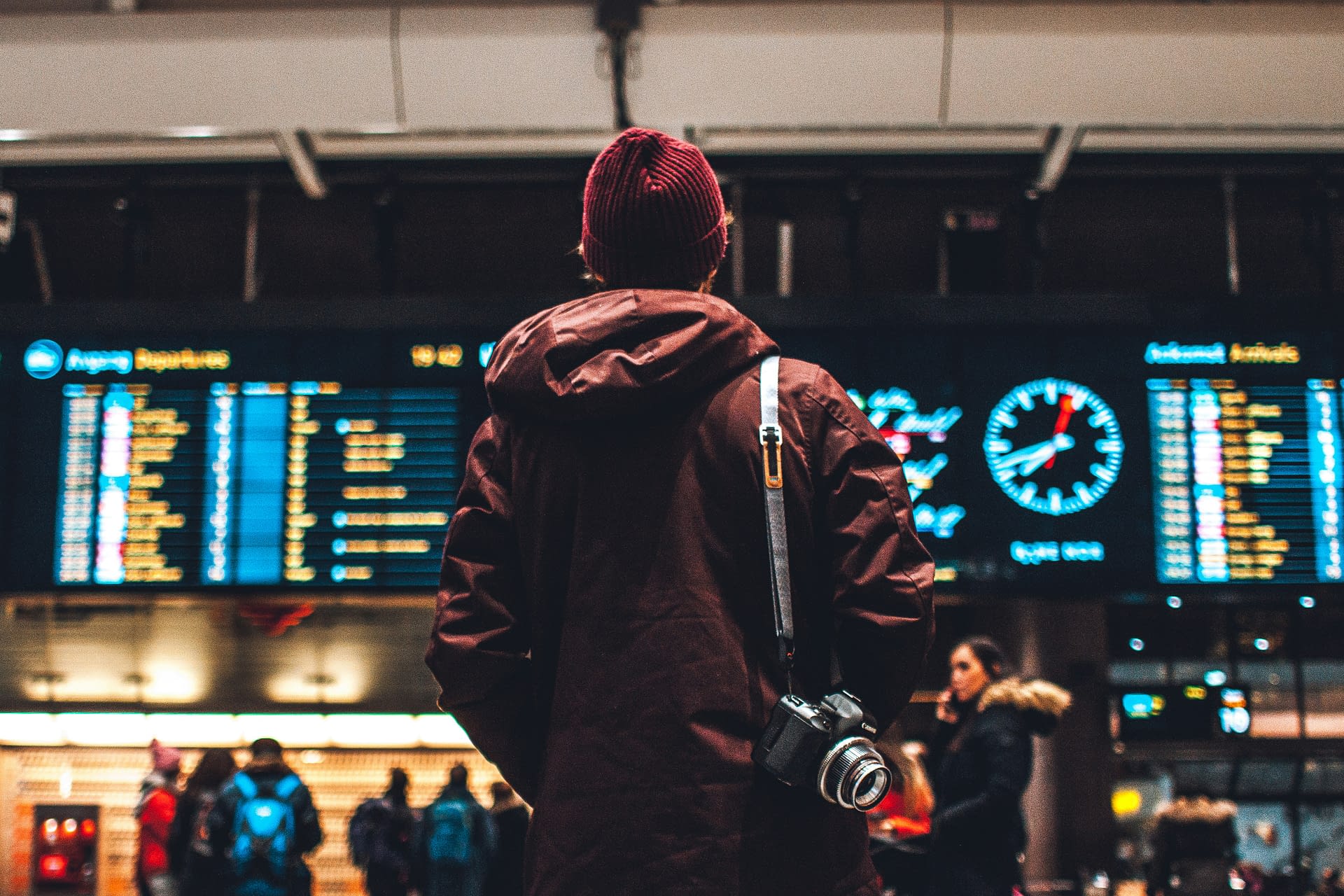
I’ve talked a lot about traveling and making it look like you are a pro at adapting to the surroundings. However, I feel that it may be important for anyone who wants to live outside the United States in the future to have a primer for living overseas. The advice given in this is for those who are considering longer-term stays overseas.
Preparing for Travel
In my other articles, I have talked about how to pack, especially not packing everything and the kitchen sink to save room. This is no different, with one small deviation: pack smartly. Start with your carry-on, a simple change of clothes, and your essentials. Remember, less is more, especially if you plan to stay long-term. Treat this as a chance to learn and adapt to your surroundings.
Another thing to prepare is working with your phone carrier. Don’t do what I did and just tell a local store and trust that they will put a note on your account. Many carriers now offer international plans that are a little pricey, but if you don’t want to switch carriers or get a new phone, this is the best option. If you don’t mind changing carriers or even phones altogether, then I would suggest waiting and getting a phone at your destination.
One last bit of advice for preparation: budget your money. Have a budget that you will adhere to religiously. This will help keep stress down a little and will help you avoid having to cut your trip short. If you are staying for an extended time with a job overseas or are studying abroad, consider the envelope method of putting cash aside to keep yourself on track.
Living in a Foreign Country
Depending on the country you choose to live in, you might need to learn another language. Knowing more than one language can help in many other ways, but knowing the local language helps remove many barriers. In my own experience, just making an effort to say hello and ask for directions is enough to bridge the culture gap. Another very important aspect of this is observing the locals. Take time when you are living abroad to notice how the locals interact, listen to the sounds indigenous to you, and follow along. This will accomplish two things: alleviate anxiety about your living situation and offer a faster way to acclimatize yourself to the world around you. This can be as simple as sitting in an outdoor café and people watching or going on a walk and noticing the same special on a sandwich board.
Speaking of cafés and sandwich boards, the best opportunity to try new things is living outside the United States. While America offers a chance to try many different, albeit Americanized, cuisines, the local fare in foreign countries often will have a better flavor. When living abroad, take the time to experiment with what is around you; you may be surprised. I had an experience with this when I tried the Gamja- Hotdog, a kind of corndog that was coated in French fries from a street vendor. While it was still slightly western, it opened the door to Jjinppang, a steamed bun filled with sweetened red bean paste. While there are some American-branded restaurants and cafés, the best way to fully immerse yourself is through local food culture.
Be An Urban Explorer
Something that has had a measure of impression on me is the public transit systems in other countries. One of the most unique parts about taking public transit in other countries is the simplicity of the whole system to navigate. Public transit is also relatively cost-effective and can take you just about anywhere you want to go. Once you get the hang of public transit, you can do the one thing that will give you the most experience: getting lost with a purpose.
When I got to Seoul and was able to move about the city on my own, I actually did get lost while walking off the post. I actually panicked for a few minutes until I took some time to remember these basic rules:
- Mark a point of reference. Find a spot you can see from all over the city and make that your point of reference, for example, a certain skyscraper or natural feature.
- Notice any special features or signage around the place you are staying
- Make a mental note of how many turns you have taken, or the number of times you crossed a street
- Keep enough cash aside to have some cab fare to get back to where you are staying, plus a tip.
Remember, the whole point of living overseas is to get an experience that you wouldn’t get here in the United States. There are a great many opportunities while spending time overseas to discover new philosophies and new ways of seeing life. You’ll never know what is out there until you take that first step out the door.
Edited and Reviewed by Kien Powell
