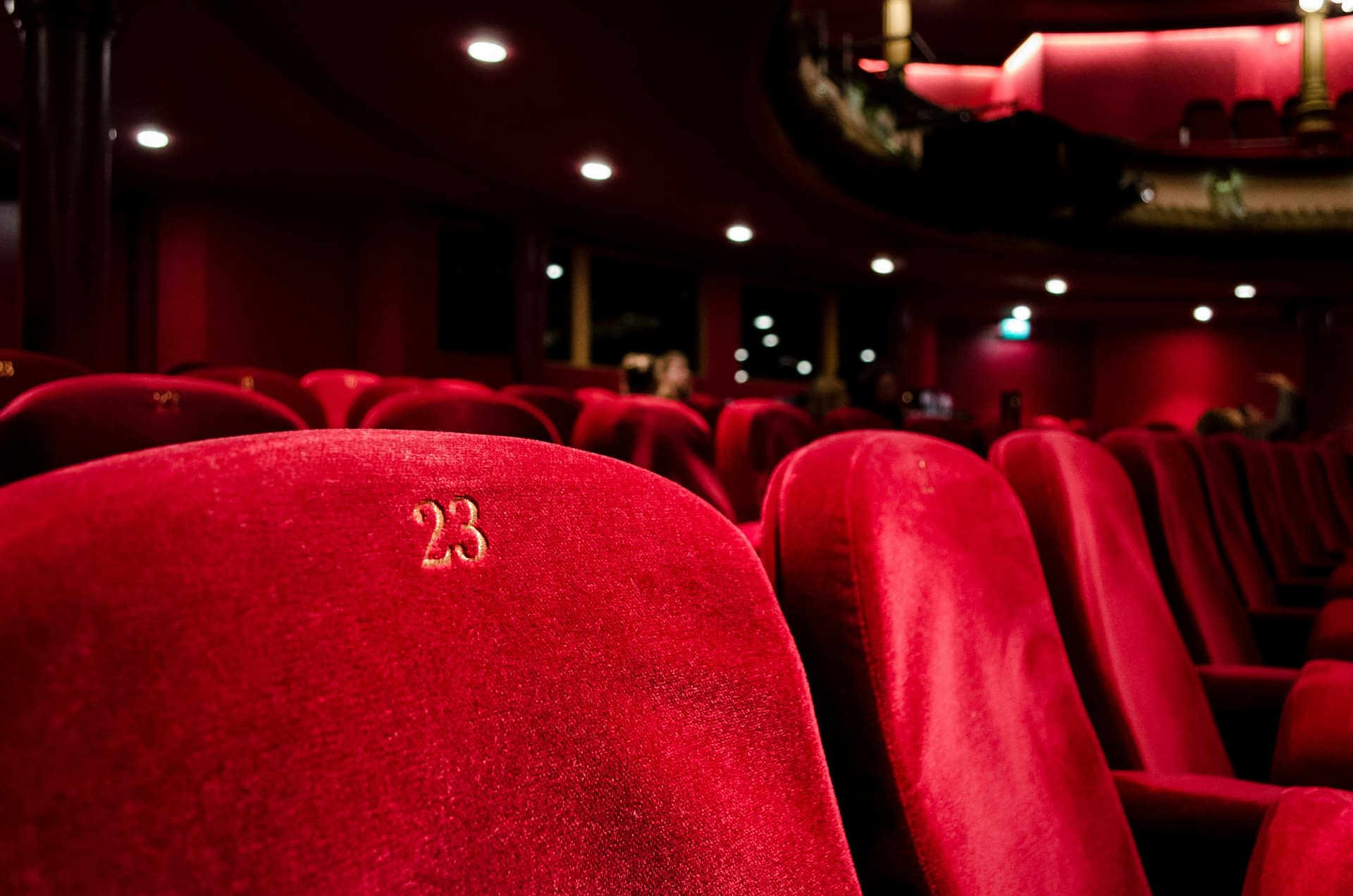
The feeling of relaxing into a seat in a dark room, facing a screen that is as wide as the room itself, and getting ready to be immersed in a fictional world is one like no other. One where you can disappear into a different world where all of your woes and worries vanish, if just for a moment. Film as an art form is a timeless pursuit. It has the ability to transcend through age, experience, circumstance, and mood by creating an atmosphere for all alike. It’s an event that has the magic to unite a room full of strangers, bringing them together on an emotional journey that will likely leave a different impression on each viewer. There are seldom other things that have that effect, meaning not only are films themselves an honorable creation, but the atmosphere and environment they create are ones that we should strive to preserve forever.
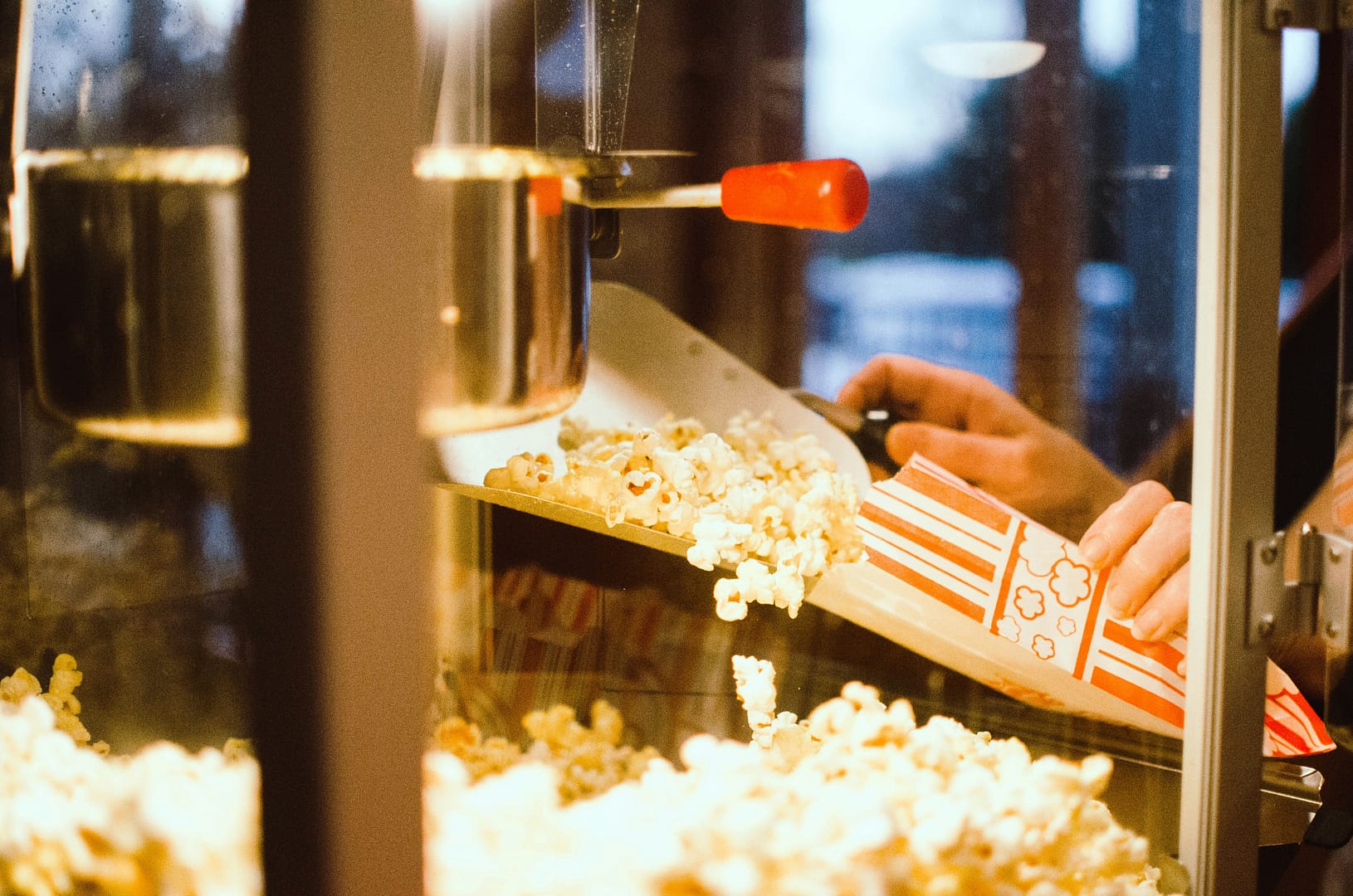
Truthfully, though, we live in a society where convenience holds the upper hand. We’re actively witnessing the rapid decrease of movie theater involvement as streaming services become more and more prominent. The common argument is simple: why spend money on tickets to see a film once when paying for a HBO Max subscription means it can be watched multiple times for no extra cost? Though that line of thinking seems more practical in this economy, the price we pay societal wise is far more than a ticket stub. It becomes convenient over time as the silent but rapid increase in streaming viewership weighs down on morals. The more subscribers these services receive the more brand partnerships they gain and the more money they make. This chain reaction causes film production to cheapen as they try to profit off of their rise and give subscribers what they always want: more. I’ve noticed there is a quality of film that we’ve lost as we see the decline in quality versus the growth in quantity. Films aren’t meant to be rapidly made for fast enjoyment. They’re a process in which emotions, time, collaboration, and art are summoned together to create something worth remembering that then desires to hold popularity for years to come. So I ask, why waste that first viewing experience on the familiar comfort of your living room couch with takeout Chinese food when you could remember the taste of the famous buttery theater popcorn and drink an Icee until your brain freezes as you indulge in a film’s theatrical release?
Film culture, as it reveals itself, proves that the decline in theater attendance is not only a problem for audiences, but more importantly for the artists behind the films themselves. Filmmakers, directors, actors, and all the crews involved spend months of their lives creating their art and turning it into something for people to escape into. It’s a process that only works when collaborators work together to put all their best skills to the test and hope to emerge from the other side with something magnificent under their belts. When these films get swept into the masses of poorly made productions and thrown into the vast streaming service agenda with hundreds of thumbnails alike, it’s hard for them not to get lost in the masses of algorithm-driven recommendations. Sadness ensues when art goes underappreciated because of the commercialization of the film industry, as we know.
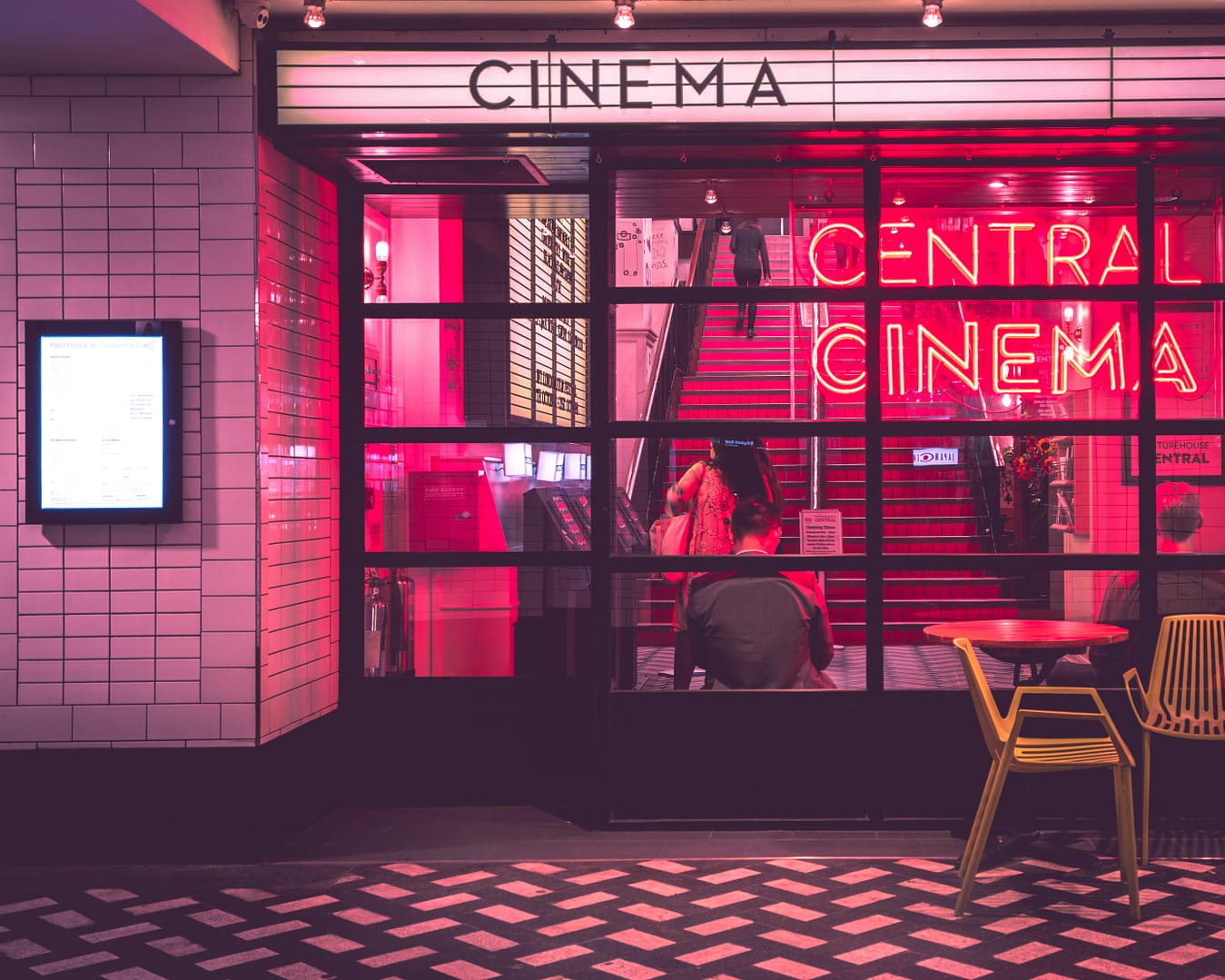
Considering this, maybe the lack of theatrical releases is not completely where the issue lies, but rather it lies within the attention span of viewers. Our relationship with film is ever evolving, especially since being in the presence of the silver screen demands our full presence. The trailers that screen before the main event is the most exciting part to me, though now with the “skip ad” buttons crowding our streaming services for an ever-growing subscription price, the attention span within viewers has significantly decreased. It’s a genuine concern and lingering sadness within our society that some people no longer have the desire to sit through a movie that exceeds 90 minutes. Rather than an exciting event to attend, it becomes a chore that can’t be completed unless there is another distracting opponent. If people continue to let phones or other outside influences crowd the viewing experience, they’ll miss the magic cinephiles strive to share. The cinema is a place we go to find a piece of ourselves we may not know is missing. We enter under pretenses of entertainment, but most leave with a deeper understanding of an enlightened truth. Emotions are heightened when our senses are in strong, active use, something that couldn’t happen on a couch or with a smaller screen in your hand. The sounds ringing out through the room, the screen opening a world we could almost imagine living in, and all else goes dark and quiet. An experience shared among strangers where differences don’t matter anymore because together we are experiencing the same phenomenon: a film in theaters. In a world with so much hurt and divide already, why are we underutilizing one of the few places left to feel okay and the opportunities it gives us to remember what it’s like to live?
Art should be allowed to be celebrated, not another victim of the digital age.
Edited and Reviewed by Rebecca Price
