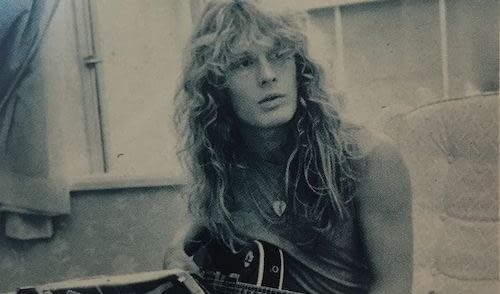
The unsung guitar hero of an era defined by flash and shred, John Sykes carved his way through the scenes of the 1980s with a legacy forged in fire. From his magnum opus on Whitesnake, delivering the band to worldwide fame, Thin Lizzy’s swan song, Thunder and Lightning, and cult classics from Blue Murder, Sykes became a guitar hero for me and players everywhere. A year after his passing, after the skies went electric, John Sykes’s melodies still ring.
Like countless others, I discovered John Sykes through his work on the aforementioned Whitesnake album; when I was growing up, my dad had a collection of cassette tapes he kept in his 1992 Mazda MX-6, with Whitesnake being one of the ones we played most, eventually blowing a speaker in the car. Just like he surely imagined, I still adore the music my dad showed me all those years ago, and that very same music became instrumental in me picking up the guitar. Not until my sophomore year of high school did I rediscover that album, my love for music, and the first step into the world of the instrument. With Sykes’s blistering solos on “Crying in the Rain” and “Bad Boys” to the melodic rhythms on “Still of the Night” and “Looking for Love,” I was hooked; there was something about his playing that was so busy but just as equally pocketed. This album made Sykes my first guitar hero and gave me an inspiration I carry even today; Whitesnake gives me that same feeling I had as a kid jamming in the seat of an old Mazda and a nod to shut up, grab a pick, and play.
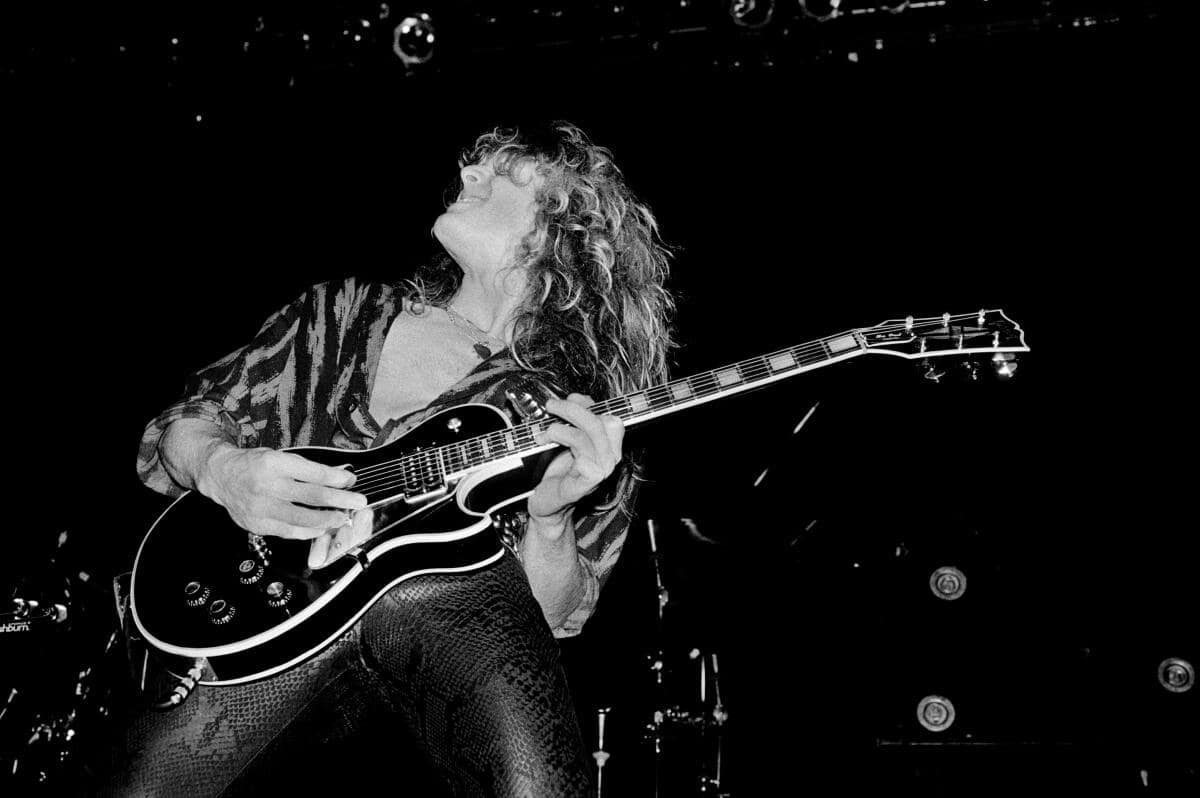
Crying In The Rain (1987 Version / 2018 Remaster) Link
A good man once told me, “You ain’t a fan of rock if you ain’t a fan of Thin Lizzy.” Granted, that “man” was me to my dad while I was spinning Live and Dangerous in my bedroom one night, but the point still stands: Thin Lizzy is the quintessential rock band. They had it all, from classic riffs and harmonies, a tight rhythm section, and Phil Lynott’s gravelly vocals, but by the end of the 1970s, their flame was fading; addiction reared its ugly head and took Thin Lizzy in its grasp. By 1982, however, the band came alive once again with John Sykes carrying the torch. Thunder and Lightning, the following year, brought a new fire to Thin Lizzy; the album was heavy, ready to kick you right in the face, saying, “Thin Lizzy is back.” It was their most successful album in years, spawning the hit “Cold Sweat,” a worldwide tour, and an eventual live album, all featuring the young hotshot guitarist. Sadly, Thin Lizzy eventually fell to the demons that plagued them, disbanding shortly after their 1983 tour, with Phil Lynott passing three years later. But in Sykes’s brief stint, the band relived their prime, playing with everything they had like the titans they once were, and going out with a final crack of thunder.
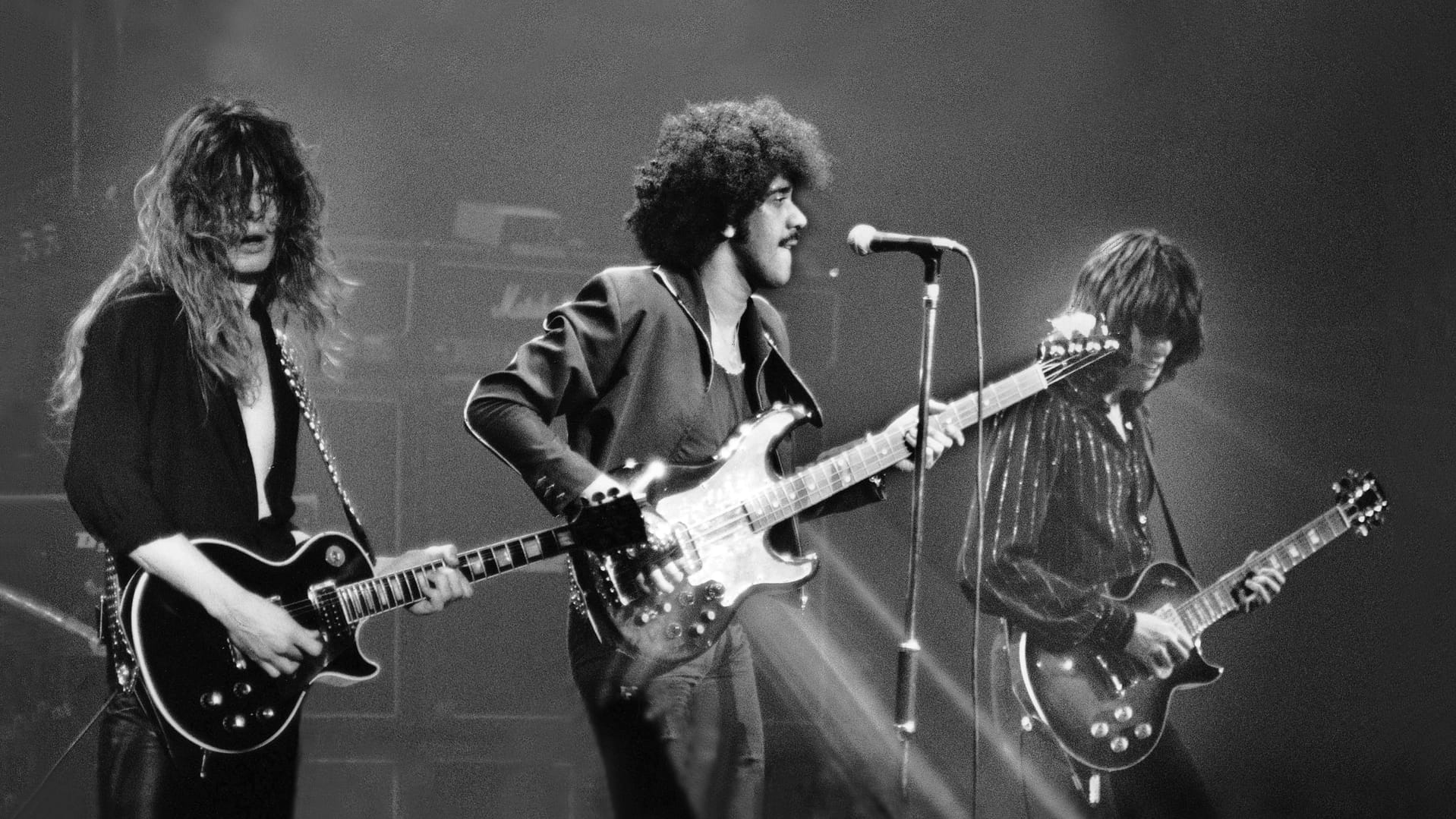
Cold Sweat (1983 Live Version) Link
John Sykes’s ugly dismissal from Whitesnake gave way to one of the most lethal yet underrated bands ever: Blue Murder. Armed with his guitar and a vengeance, Sykes teamed up with revered drummer Carmine Appice and bassist Tony Franklin to deliver a force to be reckoned with as the 1980s came to a close. Their debut album, Blue Murder, kicks off with “Riot” and “Sex Child,” tracks seasoned in rock and sleaze with Sykes delivering vocals rivaling his blistering guitar playing; the same feel is felt all over the album with the title track and “Black-Hearted Woman.” The highlights of this album, for me, are “Billy” and “Valley of the Kings,” the former almost seeming a tribute to Thin Lizzy with tight grooves, tasteful riffs, and storytelling lyrics, with the latter being a straight-up epic in both length and musicianship. The band was firing on all cylinders, screaming blue murder as Sykes led the way, putting on a clinic with every song, fighting to prove themselves through music alone.
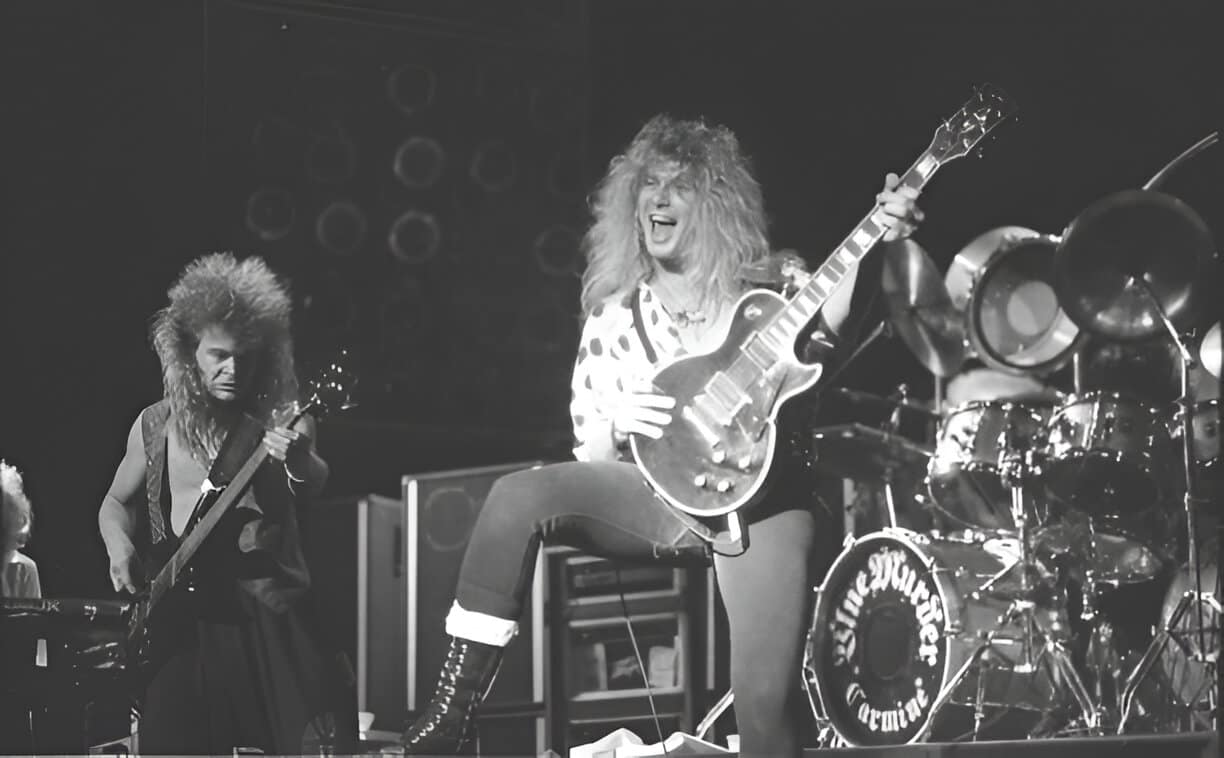
Blue Murder – Valley Of The Kings Link
To me, guitar heroes are almost mythological, people whose feats inspire and carry legacies far beyond language. John Sykes, even with all the fame and glory, stayed humble and spoke with six strings and the truth. A man who made holy weapons cry and left an untouchable mark on every tape recorded now rests in the valley of kings, creating thunder in the skies.
Edited and Reviewed by Zoe Carter
