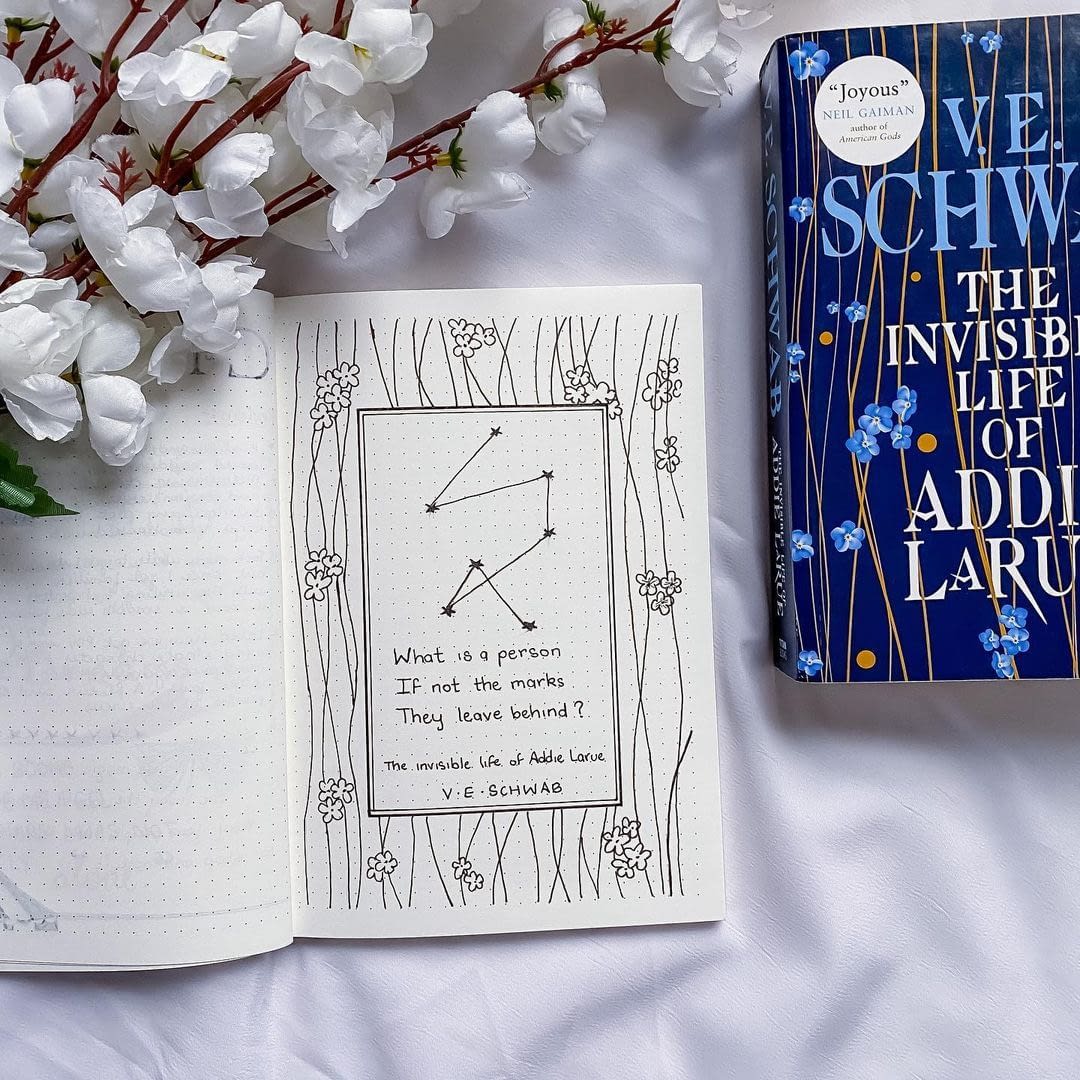
V.E. Schwab’s The Invisible Life of Addie LaRue is a haunting, lyrical novel that explores
what it means to be remembered, to leave a mark on the world, and to live a life that matters.
Blending historical fiction with fantasy, romance, and philosophical reflection, Schwab crafts a
sweeping story that spans over three hundred years. At its heart, the novel is about identity,
loneliness, art, and the human desire for significance.
This story begins in 1714 in a small village in France, where a young woman named Adeline LaRue feels trapped by the narrow expectations placed upon her. Facing an arranged
marriage and a future she does not want, Addie prays to the gods for freedom. However, she makes the mistake of praying after dark, and her plea is answered by a mysterious, shadowy
figure known only as Luc. In exchange for her soul, Addie receives the freedom to live forever. But the bargain comes with a cruel twist: no one will remember her. Every person she meets
forgets her as soon as she leaves their sight. She cannot write her name, leave a trace, or form lasting relationships. She becomes, in essence, invisible to history. V.E Schwab creates a
character who is tragically trapped in time and is forced to watch the world move on without her. The author structures her novel by infusing alternate timelines, following Addie’s journey from France in 1714 to New York City in 2014. We watch as Addie must learn to live in vastly different periods of time, while demonstrating the reality behind how Addie’s immortality is not glamorous. Instead, it is marked by isolation, hunger, and repeated reinvention. Being able to see through the eyes of someone who has seen more history than anyone ever will is a deeply tragic and beautiful experience. Schwab does not romanticize immortality; rather, she presents it as a slow, lonely endurance test. Imagine living for three hundred years as a bystander to time, with the
inability to make a mark of your own, and instead must influence the wills of others. Addie’s
sheer resilience against her curse is incredibly inspiring throughout this novel. Despite having to
be constantly erased from memory again and again, she refuses to give up her sense of self.
She finds small ways to leave her mark—whispering ideas into artists’ minds, inspiring
paintings, songs, and stories. Though no one remembers her directly, her presence ripples
through art across centuries. This theme of influence without recognition speaks powerfully to
the idea that impact does not always require fame. Addie’s struggle reflects a universal fear: that
our lives will pass without meaning or remembrance. She will awaken in the bed of someone
she has seen for months, but once he wakes, he will not remember their time together. He will
search his mind for her face and name, but come up blank. Having no connections that last and
dreading the fading sun as night swiftly approaches, knowing that once someone turns the
corner or goes into the next room, their time together will be forgotten, is a devastating way to
live.
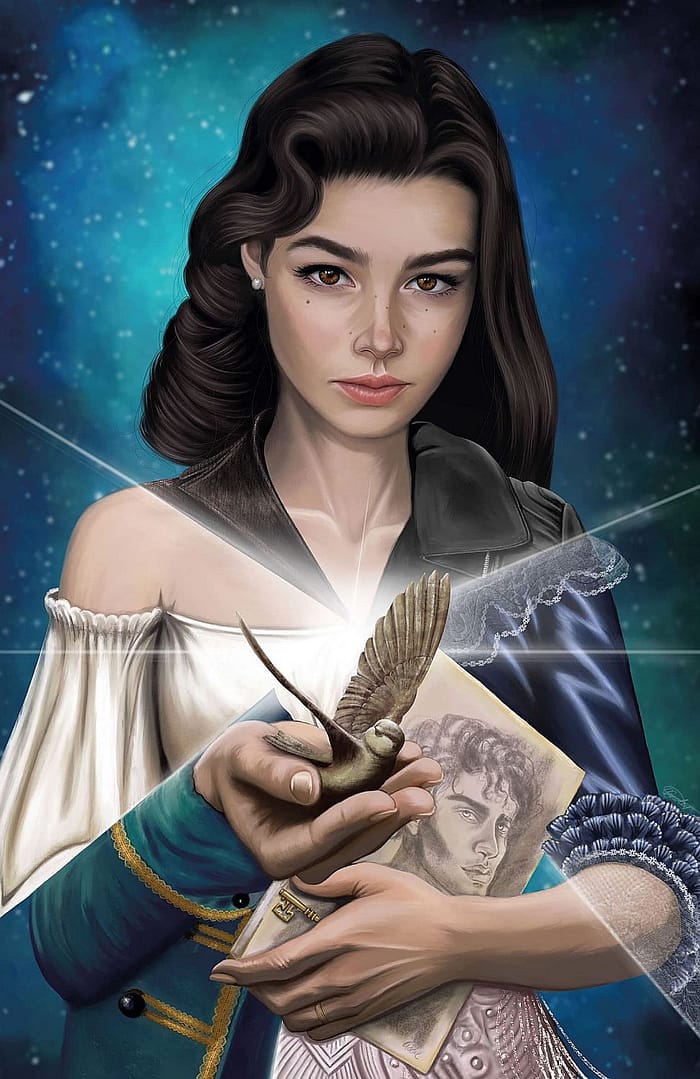
But everything changes when Addie meets Henry Strauss, a bookstore employee in New York, who, against all odds, remembers her. This moment feels miraculous after hundreds of pages of isolation. Addie is now propelled into a whirlwind of new beginnings; at last, after three hundred years, someone can say her name. Henry has lived a life surrounded by artificial attachments. People seem to be drawn to him without knowing why. He will walk into the
room, and everyone feels as if they need to know him. Henry has been drowning in this illusory existence until meeting Addie, and his world becomes grounded; he begins to see
something real. But he senses a secret within her that she refuses to open up about, an odd weight seems ever-present at her side, and he wishes to know more. Their relationship forms the emotional core of the novel, offering both hope and heartbreak as they rediscover themselves
and find a love they never thought they could share with another. Luc, the dark god who granted Addie’s wish, is another fascinating character. He is your typical byronic hero. He is charming, manipulative, and dangerously seductive. Over the centuries, he visits Addie, tempting her to surrender the last bit of herself to him and end her suffering. Their relationship is complex, almost intimate, blurring the line between adversary and companion. Luc represents control and
giving in to darker tendencies that would otherwise be left hidden within a person. He
challenges the idea of using her immortality to her whim; he encourages her to embrace this
new life and reap the advantages of never being known for your crimes and misdoings. Their
dynamic becomes a battle of wills—he wants her submission, and she refuses to give it. In
many ways, the novel is as much about their psychological struggle as it is about Addie’s
survival. For readers who love to look deeper behind the arrogant masks that these morally grey
characters love to adorn, Luc’s existence is a very tragic one. He himself is cursed in his own
way; he must watch humans live without restraint and love with their whole being. Behind his
sharp smiles and cocky retorts, there’s a deep sense of loneliness in his eyes. And despite
her better judgment, Addie also sees this side of him that he never shows to anyone else.
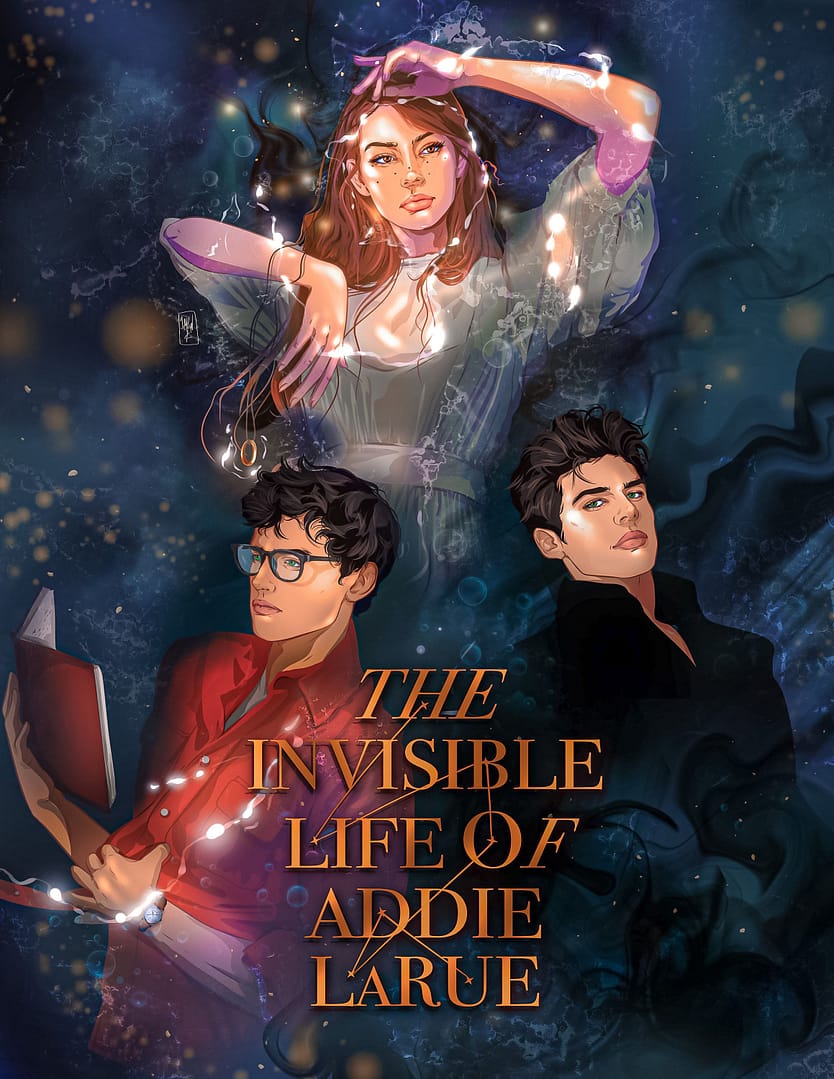
The Invisible Life of Addie LaRue haunts its readers with the sheer depth of what it means to live a life unseen by others, truly. In our modern world, where our whole lives are documented online for anyone to see, the idea of isolation is crippling. This novel is a beautifully written meditation on time, desire, and heartbreak. It asks the readers what they would be willing to give up for a scrap of freedom, or some assembly of love. V.E Schwab creates devastatingly complex characters that speak to everyone in their own ways. Addie’s life is one of many hardships, but through these pains, she learns what it means to be human. There is a universal longing all humans share: the longing to be seen, to be known, and to matter. Schwab reminds us that even if our names fade, the impressions we leave behind may still shape the world in
unseen ways. For people who are lost or fear this quiet fading, I challenge you to be like Addie
LaRue. Take command of your life, do not fear the passing of time. It is a gift that we are here
and get to live these lives of ours. We should never take this life for granted. We only get this
one chance, so why waste it on the troubles that we cannot control? Addie did not waste her life
in sorrow and misery. She lived, and that will always be enough.
Edited and Reviewed by Kien Powell
