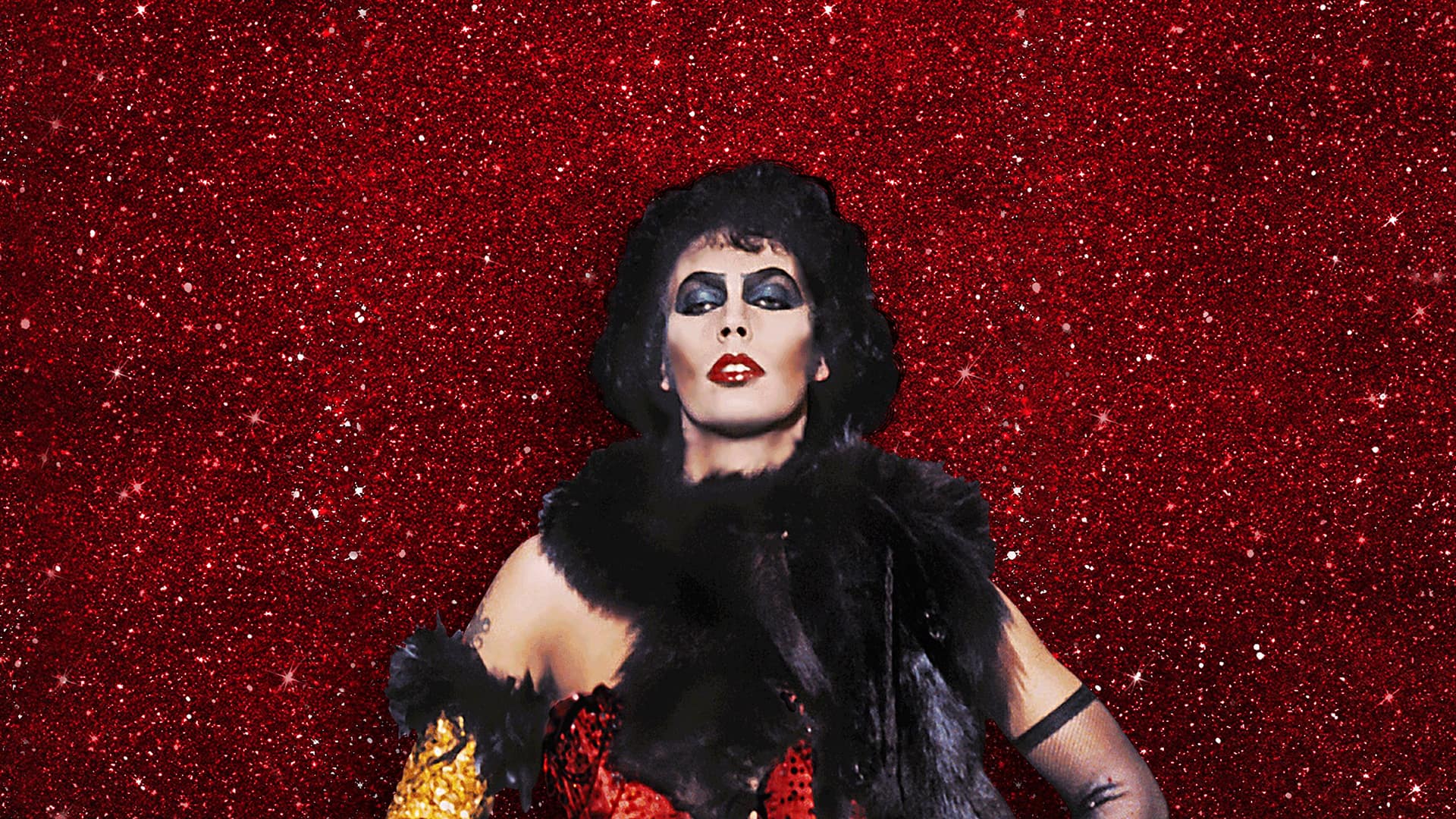
Whether or not you have been to a midnight showing of The Rocky Horror Picture Show, you have undoubtedly witnessed its impact on pop culture. From Halloween costumes to music, to Glee, to theater in general, RHPS has left its mark in various ways since its theatrical premiere in 1973. The cinematic production, released in 1975, brought RHPS to movie theaters worldwide, sparking a global phenomenon that continues in theaters everywhere to this day. Mainstream pop culture wasn’t the only place Rocky Horror left its fingerprints, though. To this day, productions of RHPS provide a rare safe space for the Queer community to exist as themselves freely, comparable to Drag shows or even Pride parades in many ways.
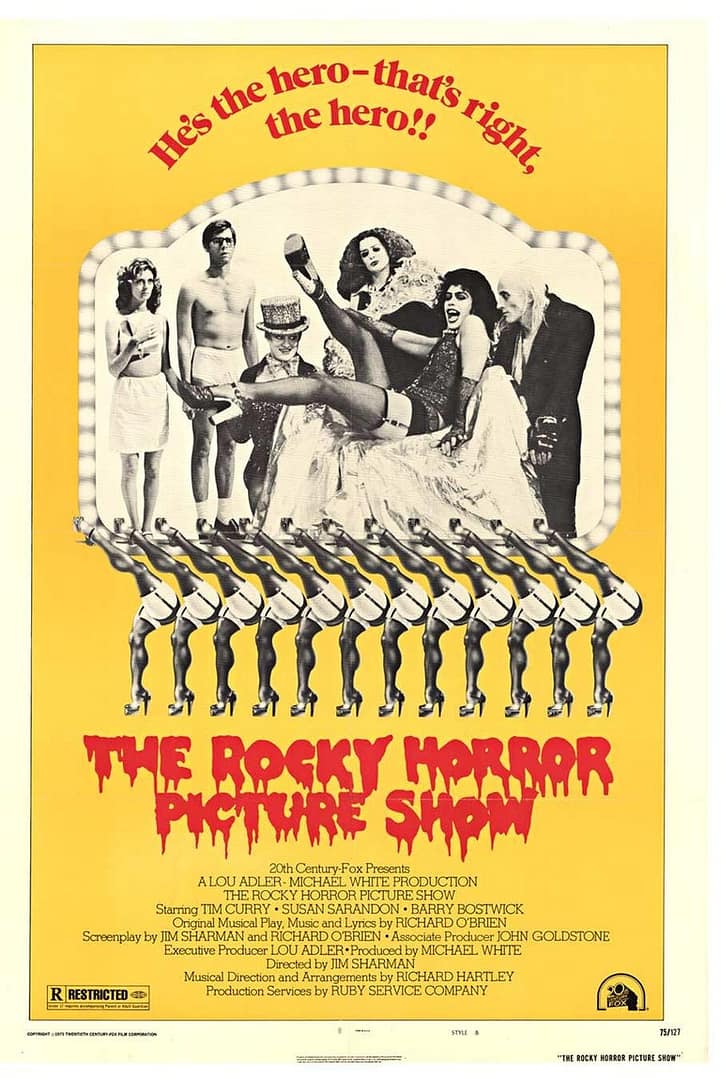
What is Rocky Horror, anyway?
The Rocky Horror Picture Show originated as a screenplay, titled The Rocky Horror Show, in 1973 in London. The show made its way to U.S. theaters the following year. RHS premiered on Broadway in ’75, though it had a short run of only 45 shows. In the year 2000, RHS was featured once more on Broadway, this time running for two years, with a total of 437 performances. RHS was adapted for the big screen in 1975, premiering in the UK as The Rocky Horror Picture Show. The movie premiered in U.S. theaters in September of the same year, with September 29th generally regarded as its U.S. premiere date. The first midnight showing, where a “shadowcast” of actors dressed up and acted out the movie in front of the screen, took place around April Fools’ Day 1976. This first shadowcast paved the way for a cult following of fans who go to midnight shows dressed in outlandish, revealing outfits, while shouting callbacks and throwing things at the screen or amongst the theater. The best part? This phenomenon of audience participation is actively encouraged by both theaters and actors alike. Most shadowcast members have little to no professional acting experience or training, and many don’t even speak any lines. This doesn’t mean they aren’t extremely talented, however, as RHPS showings require extremely quick costume and makeup changes, along with the physical and emotional demands of the acting itself. Thanks to Rocky Horror shadowcasts and midnight showings, RHPS remains the longest-running film in cinema history, having celebrated its 50th anniversary in 2025.
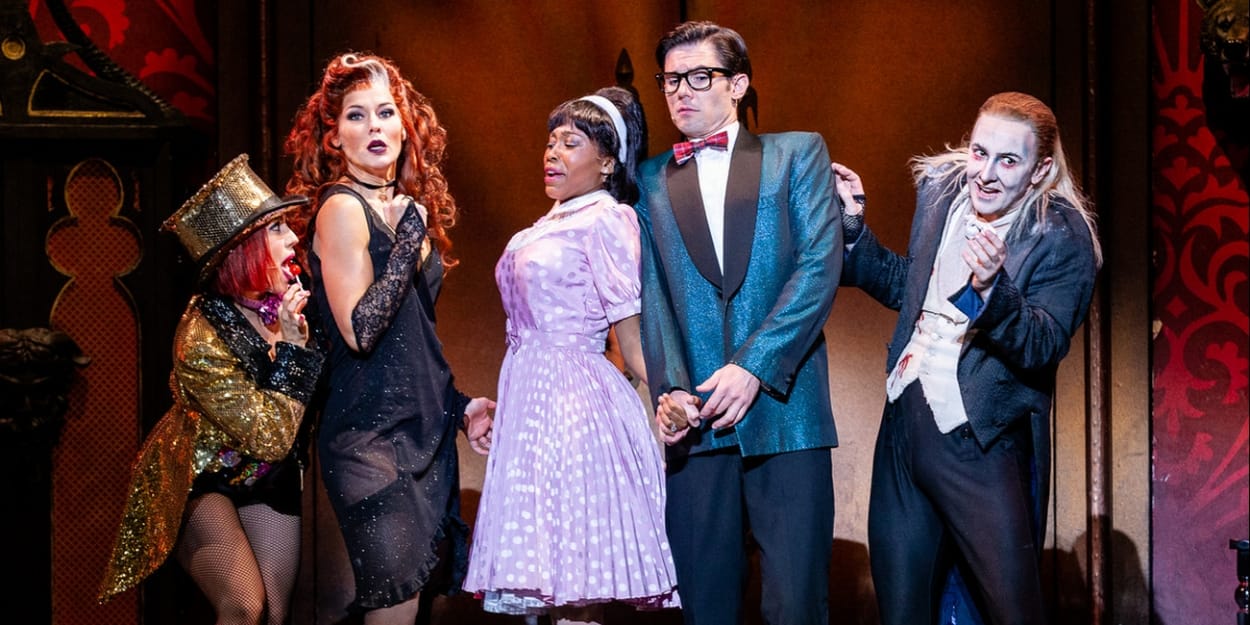
Impact on Queer Culture
In addition to being a massive hit and fan favorite, the Rocky Horror Picture Show has provided a safe and freeing space for Queer communities everywhere. Written by a transgender individual and featuring a bisexual drag queen as one of its main characters, it makes sense that RHPS would’ve been immediately adopted by the LGBTQ+ community, especially considering the tumultuous time during which it was released. While its representation may not hold up to today’s standards, it was revolutionary at the time. Additionally, changing societal norms and relatively poor representation aside, there is no denying the Queerness of the community that built itself around RHPS. Whether it be the long-honored tradition of wearing drag and lingerie to midnight showings, the drag-like nature of the shadowcast performances themselves, or the near-constant references to Queer communities scattered throughout the film’s callbacks, you really can’t have a Rocky showing without some tie to the LGBTQ+ community revealing itself. Thus, RHPS has made itself known as a space and community encouraging gender expression and freedom of sexual identity. Rocky Horror provides a space of Queer counterculture, fighting back against the oppressive norms and purity culture all too common in the societies of the past 50 years up to today. In addition to the explicit Queerness of it all, Rocky Horror also thoroughly encourages creativity and self-expression, with the majority of shadowcasts utilizing DIY skills to create their props and ultra-revealing costumes. It is not uncommon whatsoever at a Rocky show for everyone to wear heavy makeup and highly sexualized, revealing clothing, regardless of gender identity or typical expression. Audience and cast members alike are treated the same, regardless of gender identity or sex assigned at birth. Rocky Horror has a solid reputation of being a space of freedom, exploration, and self-expression, and it is unlikely to go away any time soon.
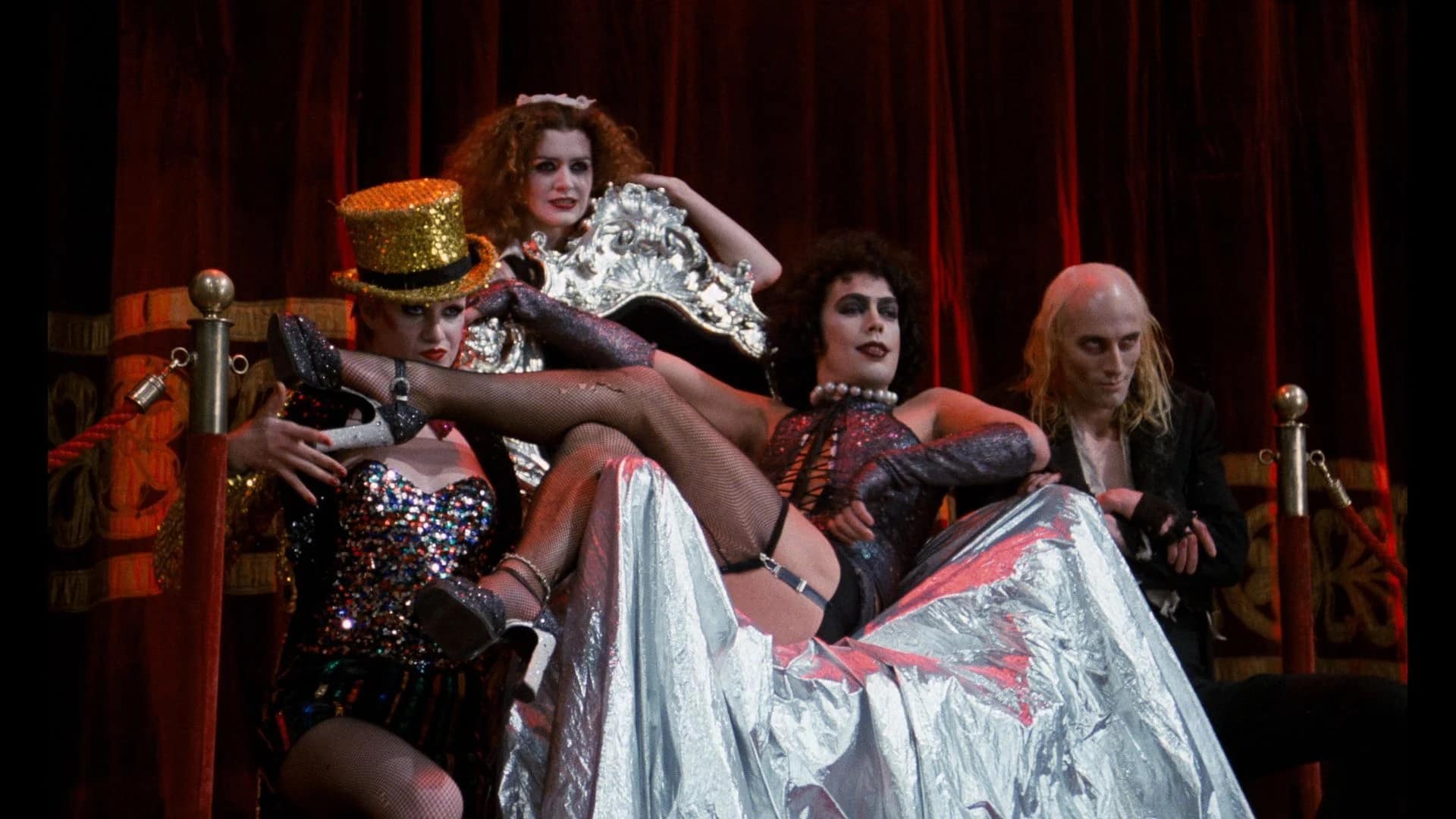
Rocky Horror: Future, Past, and Present
I’ve written a lot about the history and legacy of the Rocky Horror Picture Show; now it’s time to relate it to the current day. In times like these, being a member of the LGBTQ+ community can be scary. That’s why spaces full of such unbridled Queer joy as Rocky Horror are crucial to our community’s survival. When I go to a Rocky show, I don’t feel as if I need to hide parts of myself, the way I so often do in my day-to-day life. Of course, RHPS isn’t perfect, not by any means, but at least it’s a start. Building community is so important, no matter how small or niche. I also think it’s worth mentioning how many straight individuals I’ve met at Rocky shows. When referring to Rocky Horror as a Queer space or a Queer community, these terms are not intended in an exclusionary manner. Quite the opposite – Queer spaces are places where everyone, regardless of identity, can feel as if they belong. Spaces such as these foster self-expression and discovery whilst challenging heterosexist norms that hurt all of us. Someday, I hope society can progress to a point where spaces such as RHPS aren’t so revolutionary, where anyone can throw on some makeup and high heels or a suit and tie and be embraced and welcomed, regardless of their sex or identity. I dream of a world where we are not limited by our image, by our gender identity or assigned sex at birth, or by those we may love. To me, Rocky provides a glimpse into what that world could be, especially when I am backstage with my castmates laughing over inside jokes, or at a cast breakfast at one AM in Denny’s, bone-tired yet happy, surrounded by those who get it. In these troubling times, I hope that communities such as Rocky Horror can continue to grow and thrive, and that we can continue to support those most in need.
Sources:
- TRHPS Official Fan Site: History: Rocky Horror Timeline
- The Rocky Horror Picture Show – Wikipedia
- The Rocky Horror Picture Show | Cult Film, Musical, History, & Cast | Britannica
