
Your closet is overflowing, you’re buying products you will never fully use, and your shopping
cart is full. You somehow still feel like you are missing out, like you need more.
Overconsumption culture is growing, and young people are a bigger target than ever
before. Here are a few ways college students can cut back on consumption.
First, we must understand what overconsumption is and the tactics companies use to
keep you consuming. Overconsumption is when consumers buy more goods than they
need. Speaking in numbers, if everyone on Earth consumed at the rate of the average
Americans, we would need four more Earths to sustain our lifestyle. Things like single-use
containers, fast fashion, electronics, and trending products are all mass-produced and
purchased in absurd amounts. Everything is some form of advertisement or product
promotion, and learning how to spot them is essential to cutting down on consumption.
A big part of overconsumption comes from the media. When scrolling on a social platform
like TikTok, a hefty chunk of what you see is likely an advertisement. Sometimes it
is obvious that the goal is to sell you something. Many influencers have brand deals where
they are paid to promote products, and plenty of companies stick to traditional advertising.
At other times, the method used to encourage you to buy something is a little more discreet. One tactic
that many students fall for is student discount offers. At the end of the day, it is just a 20%
discount on a product that you never really needed in the first place, but since you are a
student, it feels personal, and the 20% off feels like an amazing way to save money.
Knowing how extreme overconsumption has become and how easily you can be targeted,
it might be time to rethink your purchasing habits. The mass production of products is built
around a “throw-away” culture that demands constant replacement of products and
excessive amounts of waste. We all remember those 2000s TV ads where a “lesser”
product is shown in black and white with a dramatic voice-over, and the “new and
improved” product is advertised with bright colors and an upbeat voice to make the old
one seem worthless. We have been exposed to “throw-away culture” our whole lives, and it
is possible to change our habits. There are a few general rules for consuming that can help
you have a bigger picture of what YOU can do to cut down.
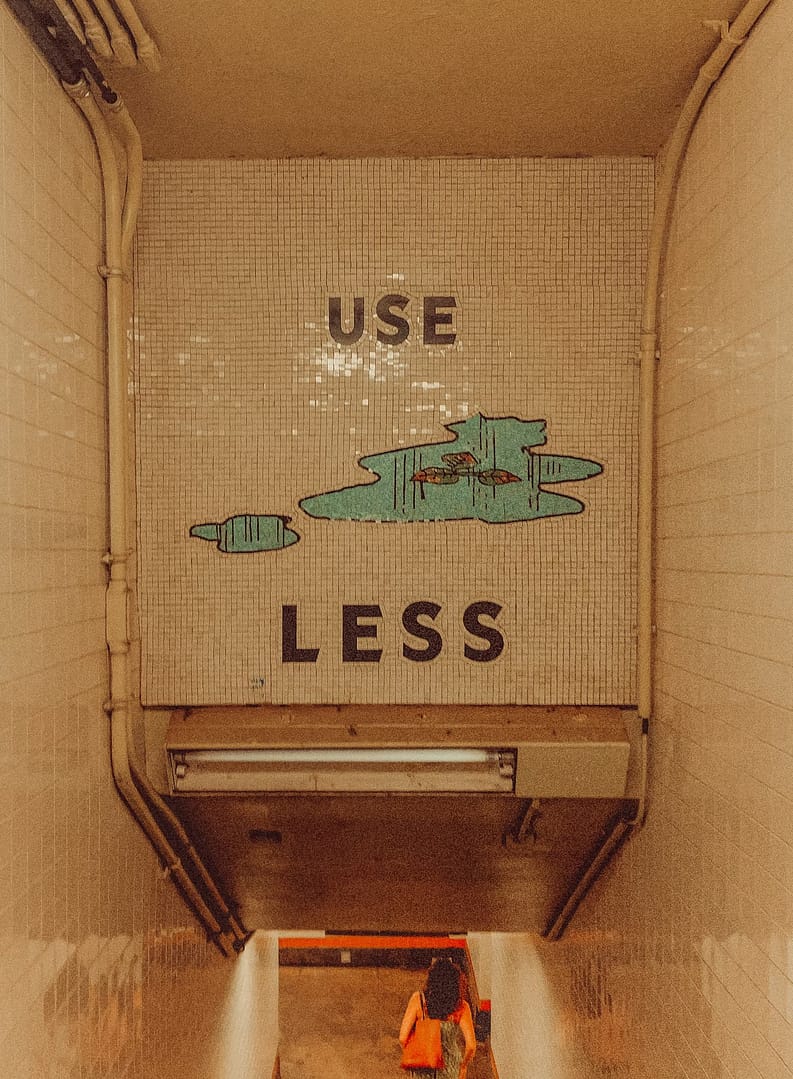
Rethink what you buy:
If you want to purchase less, your best bet is to invest in higher-quality products that will
last longer than cheap ones. A good example of this is fast fashion vs high-quality
clothing. Fast fashion is cheap and unreliable, while better quality items last way longer
and tend to be far more sustainable.
Ask yourself: Can I borrow, rent, or thrift this item?
Once you decide you need an item and are not just being influenced by a company, you
can be smart about how you obtain it. Let’s say you need to clean your carpets. You could
spend hundreds of dollars on a cleaning machine, or you could think sustainably. Ask
around and see if anyone has one you can borrow. Search for rental services that offer
carpet cleaners. Best of all, you could even take a trip to your local secondhand store to
search. Thinking like this will not only help cut back on consumption, but your wallet will
thank you.
Learn how to reduce, reuse, and recycle (instead of repurchasing).
We have all been taught the three Rs: reduce, reuse, and recycle, and while many
understand what those mean, they don’t always practice them. Plenty of things can be
done to reduce – buy only what you need instead of every trending product, don’t buy a full
cabinet of skincare products to use three of them once a week, be conscious of how
much paper you’re using for school (go digital when you can). Reusing is not hard either.
Reuse water bottles, food containers, upcycle clothing, and other materials. Host clothing
swaps and carry your groceries home in reusable bags. Recycling is more of a waste
management solution, but it is just as important. Recycling means more than just sorting
your trash from recyclables. Electronic waste is a huge problem, and there are recycling
centers just for electronics, batteries, and light bulbs.

By considering the things you buy, if you actually need to buy them, and how to avoid
“throwaway culture,” you will be effectively fighting against overconsumption. The next
time you feel like impulse spending, channel that energy into a DIY project or learn new
ways to style what you already have in your closet. There are countless ways to cut back on
consumption, and one person’s habits can make a stark difference. College is busy, and
it’s easy to overlook our habit of buying more than we need, but even minor changes help
keep our Earth healthier and more sustainable for future generations.

I agree with your points, superb post.